
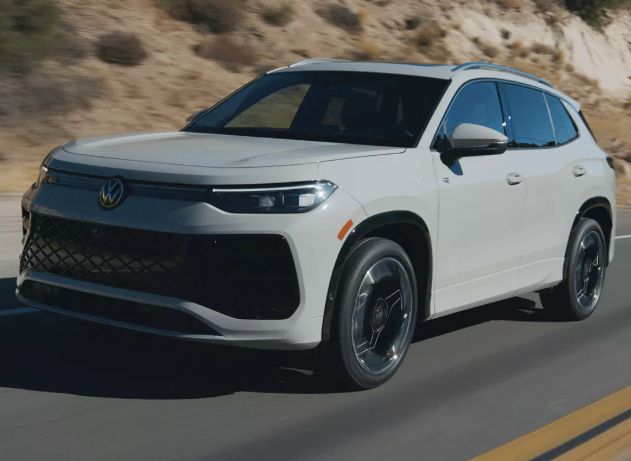
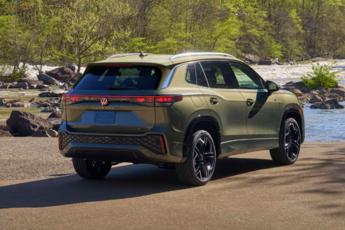

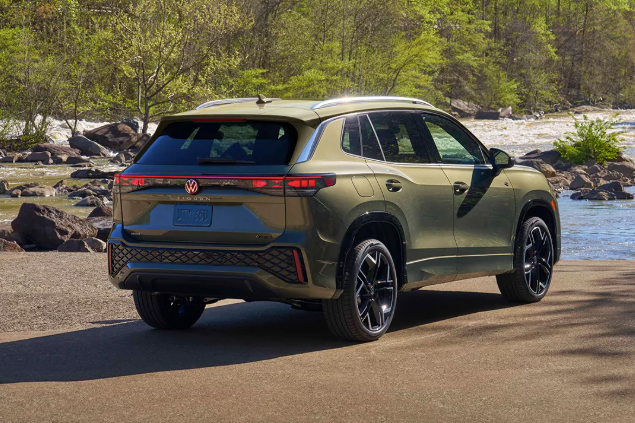

We Answer All of Your Questions About the 2026 Volkswagen Tiguan Turbo
Introduction With the arrival of the third-generation Tiguan, Volkswagen has taken a familiar compact SUV and given it a noticeably more premium...
Read moreOkotoks Volkswagen
4 Westland Rd #200, Okotoks, AB, T1S 1N1Volkswagen has carefully designed its 2026 compact SUV lineup to appeal to a wide range of buyers, from urban commuters to growing families. Among its most popular offerings are the 2026 Volkswagen Taos and the 2026 Volkswagen Tiguan—two utility vehicles that may share a badge, but in reality serve very different purposes.
While both the Taos and Tiguan offer modern styling, advanced technology, and Volkswagen’s engineering precision, they diverge in their approach to power delivery, interior layout, fuel efficiency, and everyday usability. This article takes an in-depth look at each model to help buyers understand not only how these SUVs compare on paper, but how they function in real-world conditions.
The heart of any SUV is its engine, and this is where the Taos and Tiguan begin to part ways. The 2026 Taos is equipped with a 1.5-litre turbocharged four-cylinder engine that produces 174 horsepower at 5,500 rpm and 184 lb-ft of torque at 1,750 rpm. This engine is tuned for responsiveness in the low-to-mid RPM range, and it performs confidently in city traffic or on suburban roads. Its lighter curb weight and smaller dimensions mean that acceleration feels quick, even if raw output is more modest.
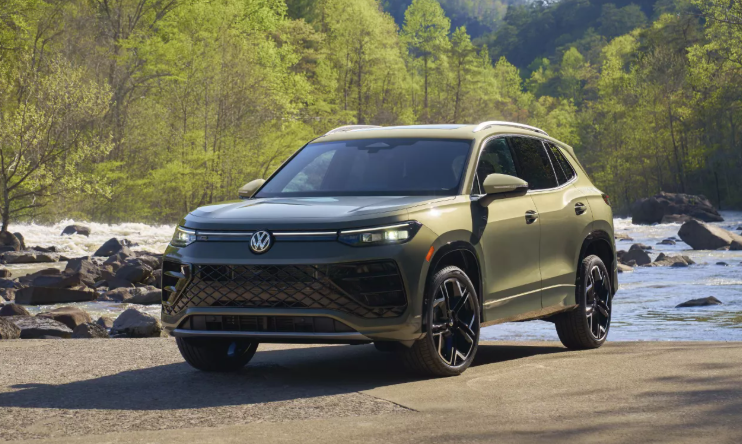
The Tiguan, by contrast, features a 2.0-litre turbocharged four-cylinder engine that delivers 201 horsepower at 5,000 rpm and 221 lb-ft of torque at a lower 1,500 rpm. This broader torque band provides a more relaxed but powerful feel at all speeds. Whether cruising on the highway or merging into fast-moving traffic, the Tiguan’s added torque makes it more capable, especially when fully loaded with passengers or cargo.
Here’s a side-by-side comparison of their powertrain specifications:

In terms of overall feel, the Taos is sprightly and economical, while the Tiguan brings a more composed and confident presence, especially on longer drives.
For many buyers, fuel economy is one of the most important factors when choosing a compact SUV. In this department, the 2026 Taos pulls ahead thanks to its efficient powertrain and smaller footprint. According to official ratings, the Taos averages between 7.4 and 8.4 L/100 km combined, depending on whether the model is front-wheel or all-wheel drive.
The Tiguan, equipped with a larger engine and heavier chassis, consumes more fuel. It is rated at 10.5 L/100 km in the city, 7.8 L/100 km on the highway, and about 9.3 L/100 km combined for AWD variants.
Here’s how the fuel consumption figures compare:

Over time, especially for high-mileage drivers, this efficiency difference can translate into real savings—particularly in urban environments where fuel economy matters most.
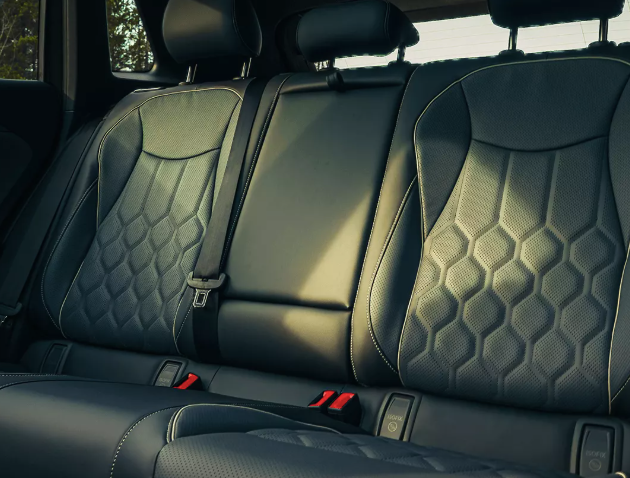
One of the key differences between the Taos and Tiguan lies in interior dimensions and how each vehicle allocates space. Both SUVs seat five passengers, but the Tiguan is noticeably roomier in the second row, which will matter significantly for families or those who regularly transport adult passengers.
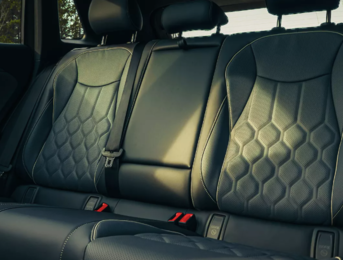
In the front row, dimensions are relatively even, with the Taos offering slightly more headroom while the Tiguan offers marginally more shoulder width. Where the Tiguan really stands out is in the rear legroom, providing a comfortable stretch for taller passengers.

For buyers who regularly carry passengers, the Tiguan’s extra rear space is not just noticeable—it can be the deciding factor.
Despite being the smaller SUV, the Taos surprises with a clever cargo layout that maximizes usable volume. With the second row folded, the Taos offers between 1,705 and 1,866 litres of cargo capacity depending on the trim. The Tiguan, although longer overall, provides 1,668 litres in the same configuration.
With the rear seats up, the Tiguan offers slightly more usable cargo room—750 litres versus 705 to 790 litres in the Taos—making it more practical for grocery runs or stowing luggage without folding anything down.

For drivers who need to carry large or awkwardly shaped items, the Taos may offer a surprising advantage despite its smaller footprint.
The Taos feels more nimble and light on its feet, especially at low speeds or in tight urban traffic. The steering is light and the overall setup favours ease of use over sportiness. It is quiet and comfortable on the highway, but it’s clear the Taos was designed with city driving in mind.
The Tiguan feels more substantial and planted, particularly at higher speeds. The additional power and weight translate to a smoother, more composed ride on the open road. It is the better vehicle for long-distance travel, where fatigue reduction, power delivery, and ride quality all become more important.
In both models, Volkswagen includes the brand’s latest tech suite, including available IQ.Drive driver assistance, wireless smartphone integration, and the Digital Cockpit display.
The decision between the 2026 Volkswagen Taos and Tiguan ultimately depends on your driving habits, space needs, and budget.
The Taos is ideal for:
• Urban or suburban drivers
• Smaller families or couples
• Budget-conscious shoppers seeking low fuel costs
• Drivers who value interior cargo flexibility over rear-seat space
The Tiguan is best for:
• Long-distance commuters or frequent highway drivers
• Families with rear passengers
• Buyers who prioritize performance and rear comfort
• Those willing to pay a little more for refinement and interior volume
Both vehicles are strong offerings in the compact SUV space, but they serve different use cases. Volkswagen has given you two refined tools—your lifestyle determines which is the right fit.
We Answer All of Your Questions About the 2026 Volkswagen Tiguan Turbo
Introduction With the arrival of the third-generation Tiguan, Volkswagen has taken a familiar compact SUV and given it a noticeably more premium...
Read more
Why Volkswagen Ownership Is More Affordable Than You Think
For many buyers, the idea of owning a German-engineered vehicle still comes with an outdated assumption: higher costs and complicated ownership....
Read more
How to prepare your car for Spring!
We all love the springtime. The flowers start to bloom and the weather is starting to get warmer. The nights are getting longer too and this means...
Read morePowered and developed by